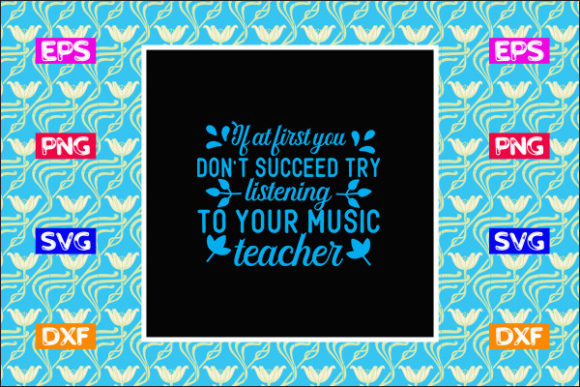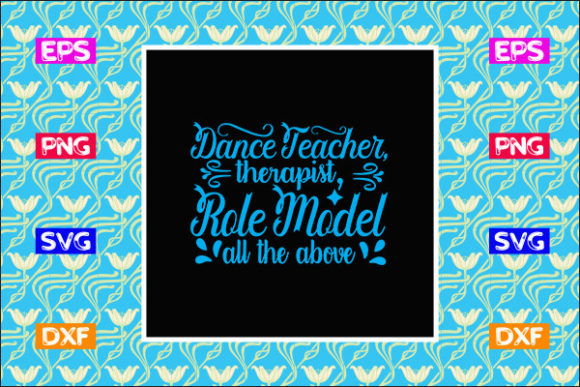
Teacher SVG Design: A Pro Review for Dance & Therapy Gifts
As a designer who spends more time staring at stitch maps than most people spend on their phones, I approach every new digital embroidery file with a healthy dose of skepticism. We've all been there: you buy a cute graphic online, load it into your software, and realize the density is going to turn your soft jersey into a cardboard shield. That's why I took a close look at the Teacher SVG Design, Dance Teacher, Thera package before committing it to any client projects. This isn't just about whether the image looks good on a screen; it's about how it translates from a vector path to a tangible handmade product that holds up under the needle.
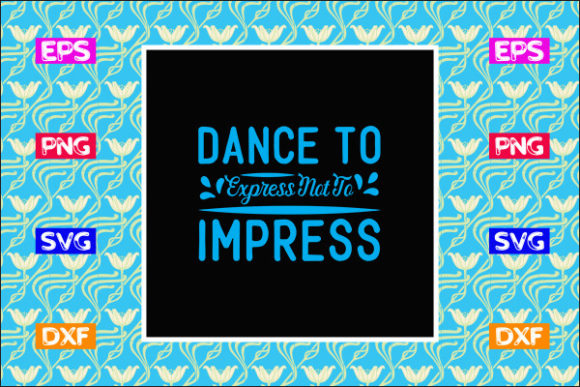
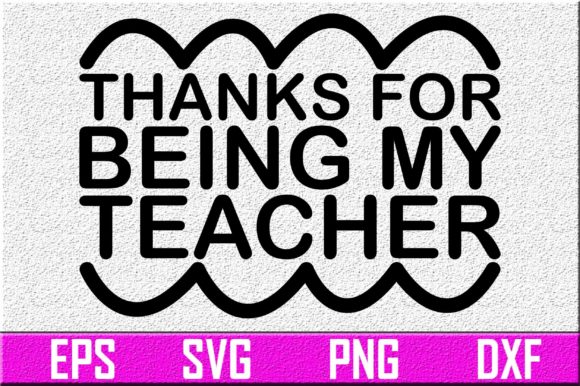
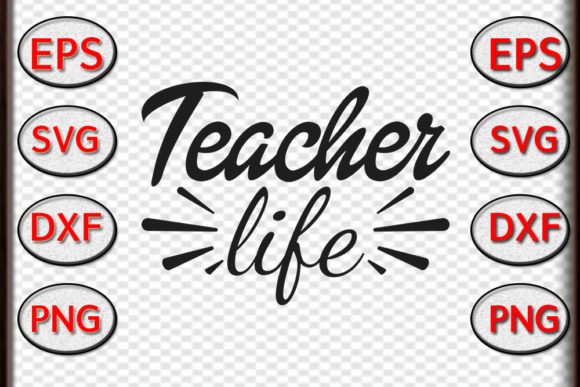
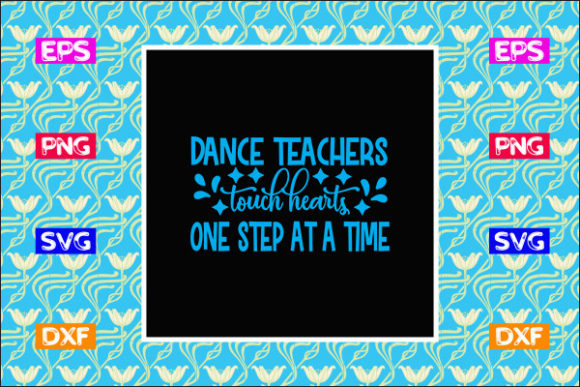
The first thing that strikes me about this design set is its versatility. The description highlights "Dance teacher, therapist, role model," which immediately tells me this is targeting the appreciation market. Whether you are an Etsy seller looking to expand your holiday catalog or a hobbyist making a gift for a child's favorite instructor, the theme is universally positive. Visually, these graphics tend to lean towards clean lines and recognizable silhouettes, which is exactly what you want for embroidery. Overly complex illustrations often fail when scaled down, but a design focused on clear roles like teaching and therapy usually maintains its integrity well when digitized or used as an applique base.
Real-World Application: The Tote Bag Test
To truly evaluate the Teacher SVG Design, Dance Teacher, Thera, I imagined a specific real-life scenario: creating a custom tote bag for a dance studio end-of-year recital. Tote bags are a staple for craft business owners because they are practical and offer a large canvas. However, canvas fabric has a distinct weave that can interfere with fine details. If you are using the SVG or DXF files to create a cut file for heat transfer vinyl, the result will be crisp. But if you are using these as a reference for a machine embroidery design or converting them for stitching, you need to consider the stitch density.
In this scenario, the design would likely sit front and center on the bag. A design celebrating a "role model" needs to feel substantial, not flimsy. If the original graphic relies on very thin lines, a running stitch might get lost in the texture of the canvas. My recommendation would be to adapt the shape into a fill stitch or even an applique design. By cutting the shape out of a contrasting fabric and stitching it down with a tidy satin stitch border, you elevate the perceived value of the finished product. This approach also solves the issue of thread consumption and prevents the back of the bag from becoming a bird's nest of jumps and trims.
Navigating Fabric Textures and Hoop Constraints
One of the critical factors in reviewing any Graphics package for Crafts is understanding where it might fail. The Teacher SVG Design, Dance Teacher, Thera files come in EPS, SVG, PNG, and DXF formats. While this gives you immense flexibility for digital cutting and printing, embroidery requires a different mindset. If you plan to stitch this directly onto a stretchy sweatshirt or a textured kitchen towel, you must be cautious.
For sweatshirt embroidery, the loft of the fleece can swallow small details. If the design includes tiny text elements like "Thera" or specific dates, they may pucker or become illegible without proper stabilization. Always use a cut-away stabilizer for garments that will be washed frequently. For something like a cap, the curved surface adds another layer of difficulty. Unless you have experience pushing designs into tight hoop size constraints, I would advise against placing intricate versions of this design on the front panel of a structured hat. It's better suited for flat surfaces like pillow covers, aprons, or the back of a denim jacket where the fabric lies flat under the presser foot.
Color Strategy and Visual Appeal
The mood of a design is heavily influenced by color choices. Since the provided files are likely single-color vectors (standard for SVG/DXF), the burden of visual appeal falls on you, the creator. For a dance teacher, classic black or navy thread on a light heather grey shirt offers a professional, boutique look. However, for a therapist or a more playful "role model" gift, consider using variegated thread colors to add depth without increasing stitch count.
When evaluating the visual personality of the design, think about the end user. A parent buying a personalized gift wants something that looks expensive, not like a quick afterthought. If the design feels too generic, customize it. Add the recipient's name in a complementary font below the main graphic. This small addition transforms a stock design asset into a bespoke item that builds customer trust and encourages repeat business. Just ensure that any added text is large enough to stitch out cleanly; anything under 0.25 inches in height is risky on most home machines.
Commercial Viability and Licensing Checks
For the small shop product creators and commercial embroidery professionals reading this, the licensing aspect is paramount. The product description mentions "EPS Files – SVG Files – PNG Files – DXF Files," which suggests a focus on digital versatility. However, before you list this as a printable mockup or sell hundreds of embroidered patches featuring this design, you must verify the license terms provided by the seller. Some "Crafts" category items are for personal use only, while others allow unlimited physical sales but restrict digital redistribution.
Assuming the license permits commercial use for physical goods, this design fits perfectly into the "appreciation gift" niche. Think beyond just teachers. Consider coaches, camp counselors, or volunteer leaders. The "role model" aspect is a powerful marketing hook. You can create a series of custom apparel items for a whole team or staff, ensuring brand consistency by using the same thread palette across different garment types. This kind of cohesive presentation boosts brand consistency and makes your Etsy listings or craft fair booth look highly professional.
Final Verdict and Practical Tips
My final assessment of the Teacher SVG Design, Dance Teacher, Thera is that it is a solid foundation for a variety of projects, provided you respect the limitations of your medium. It shines brightest when adapted thoughtfully rather than stitched blindly. Here are my top recommendations for getting the best results:
- Test on Scraps First: Never run a new design on a client's garment without testing the density and registration on a scrap piece of similar fabric.
- Check Contrast: Ensure your thread color stands out against the fabric texture. Low contrast can make even a great design look muddy.
- Mind the Details: If converting to embroidery, simplify tiny corners and sharp angles to prevent thread breaks and bird nests.
- Stabilize Correctly: Match your stabilizer to the fabric weight. Stretchy fabrics need cut-away; stable fabrics can often use tear-away.
- Verify Licensing: Double-check the specific terms for selling finished items versus digital files to protect your craft business.
In the world of handmade goods, the difference between a good product and a great one often lies in the execution. The Teacher SVG Design, Dance Teacher, Thera offers a meaningful theme that resonates with buyers. By applying sound design judgment regarding stitch types, fabric choices, and placement, you can turn these digital files into cherished personalized gifts that recipients will wear and use with pride. Whether it's a cozy baby embroidery project or a sturdy embroidered patch for a work bag, this design has the potential to perform beautifully when handled with care.